TMJ Treatment – Marysville, OH
Get Lasting Relief from TMJ Disorder Pain

The temporomandibular joint (TMJ) is the joint which connects your jaw to your skull. Naturally, between eating, speaking, laughing, and smiling, these delicate joints are subject to a lot of wear and tear. However, while in most cases these mighty joints are up for the challenge, if they become worn, misaligned, or strained, it can cause pain and stiffness, making it difficult for them to do their job properly. With TMJ treatment from Northwest Family Dentistry of Marysville, we can help stop the discomfort and restore the function of your jaw, so you can once again enjoy your favorite foods, conversations, and activities, pain-free!
Why Choose Northwest Family Dentistry of Marysville for TMJ Treatment?
- Multiple Treatment Options Available
- Same-Day & After- Hours Emergency Appointments
- Flexible Financing Plans Accepted
What Is TMJ Disorder?

Your temporomandibular joint (TMJ) connects your mandible (the lower jaw) to your maxilla (the upper jaw), allowing you to open and close your mouth so you can eat, speak, smile, laugh, and even sneeze. Unfortunately, when the TMJ becomes injured, worn, or strained, it can make all those seemingly effortless functions extremely painful and difficult.
Symptoms of TMJ Disorder
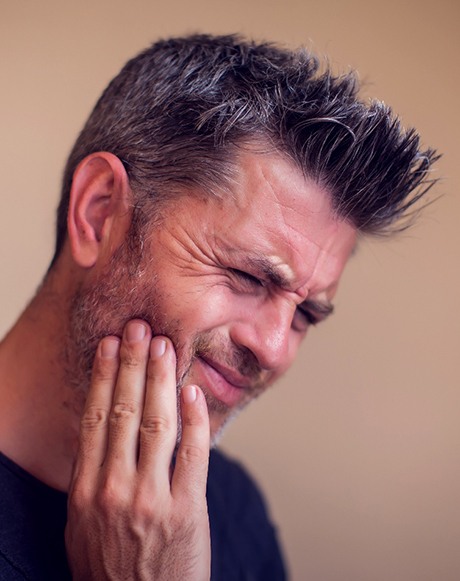
It is important to understand that a TMJ disorder isn’t just one thing, but a collection of disorders that affect the temporomandibular joint. As such, patients may experience one or more of the following symptoms, including:
- Lockjaw, or the inability to open and close the mouth.
- Jaw tenderness or pain.
- A clicking or popping sound when you open and close your mouth.
- Difficulty or discomfort when chewing.
- Neck, back, or shoulder pain.
- Pain behind the eyes.
- Ear ringing (tinnitus) or earaches.
- Bite changes.
Types of TMJ Treatment

Because there are a variety of options available for TMJ disorders, it is important to visit Dr. Miller for TMJ treatment in Marysville. At your diagnostic exam, he will evaluate the jaw, take some X-rays, and develop a care plan depending on your individual anatomy and the cause of your TMJ disorder. There are many reasons your joints could be affected, including excessive wear and tear, previous injuries, genetics, or even bruxism (teeth grinding), and your treatment will be specifically designed for you with those factors in mind. Here’s a closer look at some of the options you may be prescribed.
Occlusal Splint

An occlusal splint is an oral appliance which safeguards your smile against the damaging effects of bruxism (teeth grinding), which has been known to cause or worsen TMJ disorder symptoms. By repositioning the jaw into a slightly forward placement, the device will allow your joints to rest more comfortably, alleviating chronic stiffness and discomfort.
Equilibration/Occlusal Adjustment
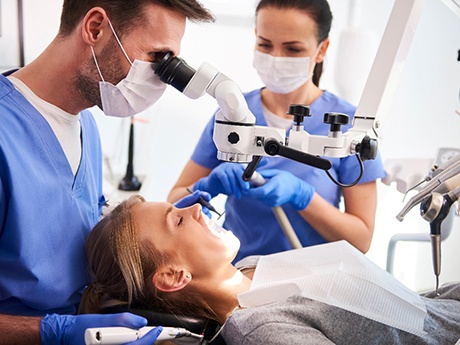
If you’ve ever had dental work such as fillings, crowns, or other restorations, you likely know how useful they can be at restoring your smile. Unfortunately, however, if they’re not cemented in place correctly or they’re even slightly off balance, they can throw off the distribution of force in your temporomandibular joints.
With equilibration and occlusal adjustment, Dr. Miller can buff down any uneven restorations, creating a more even bite distribution and allowing your facial muscles and connective tissues settle into a more comfortable position.
BOTOX® Injections
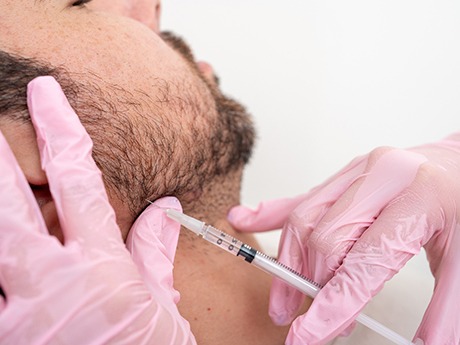
BOTOX for TMJ is a temporary treatment that typically lasts between three and six months. It works by delivering the same injectable cosmetic product you’ve trusted for decades to provide safe, beautiful wrinkle reduction into the overworked muscles of the face to help relax them and alleviate discomfort from TMJ disorders.