
Dental Crowns – Marysville, OH
Fixes for Dental Decay & Damage

Even if you act carefully, it’s pretty easy for teeth to get hurt. A slight mistake can lead to cavities or chips in your grin. Luckily, you don’t need to put up with dental decay or damage. A much better option already exists: dental crowns in Marysville! By getting these caps for your chompers, your grin will become stronger and prettier. Please keep reading to learn more or book a visit with us soon.
What is a Dental Crown?
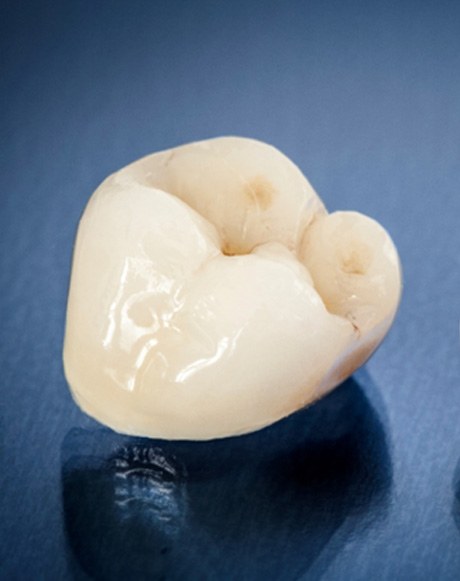
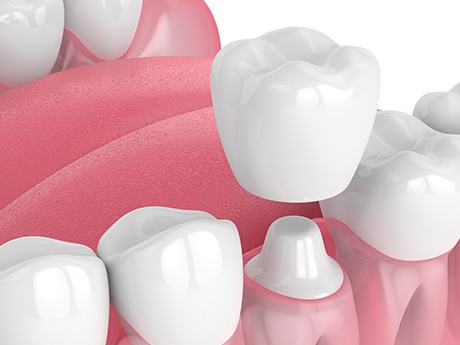
A dental crown is a porcelain “cap” for your damaged tooth. Once correctly fitted, it’ll protect and beautify your pearly white. This crown will keep bacteria from reaching the tooth’s pulp even as it hides the prior decay or damage.
Due to their effects, good dental crown candidates have one (or more) of the following:
- An old silver filling that damaged a tooth
- Cavities that can’t be fixed with fillings
- A cracked or broken tooth
- Teeth that are worn down by bruxism
- A tooth that just had root canal therapy
All that said, consult our dentists before you commit to anything. They’ll perform an oral exam to assess your tooth (or teeth). From there, they’ll know whether the dental crown(s) suits you.
The Dental Crown Process
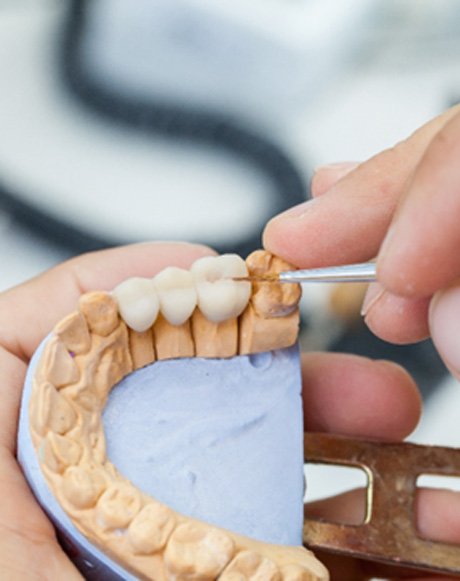
A typical crown treatment involves two dental visits. The first of these appointments “preps” your tooth for restoration. In contrast, the second visit will deliver and place your final crown.
During the first visit, our dental team will prepare your tooth for its crown. This “prep” generally means shaving off bits of the enamel layer. (That way, the crown will fit well.) We’ll then make an impression of the prepped tooth. Later, a dental lab will use the resulting model to craft your crown. You’ll wear a temporary restoration while that crafting is being done.
The second appointment takes place when your crown is ready. When you arrive for it, Dr. Miller will carefully place your cap on the tooth. This process is painless and won’t involve sedation. After placement, we’ll just make last-minute changes to ensure a good fit. We’ll then polish the crown once it’s fully in place. Afterward, you’ll be ready to enjoy your repaired grin!
The Benefits of Getting a Dental Crown

A decayed or damaged tooth causes various issues when left unchecked. However, a dental crown will prevent such problems. It’ll ensure you enjoy benefits like:
- A Gorgeous Grin – Our dental crowns are made of porcelain, so they’re tooth-colored and lifelike. They’ll blend well with your adjacent teeth.
- Versatile Effects – Dental crowns can fix several oral issues, as they cover the whole surfaces of teeth. They can address cavities, tooth chips, fractures, and more!
- Stronger Teeth – A porcelain crown is pretty darn durable. As such, it’ll protect the tooth it covers from bacteria. You’ll then be safe from needing a root canal or tooth extraction.
- Lasting Results – When well-maintained, a dental crown can last over 15 years. That being said, remember to brush, floss, and see your dentist often!
Understanding the Cost of Dental Crowns

The cost of dental crowns in Marysville may have you feeling apprehensive about treatment, but you’ll be pleased to learn that Dr. Miller and our team at Northwest Family Dental are here to help. Instead of trying to guess your total price tag, we will customize your estimate once you come in for a scheduled appointment. This will allow us to determine a few essential factors that will come together to determine any out-of-pocket costs you might incur when repairing your smile.
Factors That Affect the Cost of Dental Crowns
At our dental office, we believe in delivering a thorough examination before establishing any kind of cost estimate. This allows us to be thorough in our evaluation so that you receive the greatest level of care. We will consider:
- If you need additional treatments to give your new crown the best chance for success. This may include gum disease treatment, root canal therapy, or dental implant placement.
- The type of damage or decay that has occurred to the tooth in question.
- The type of material that will be used to craft your customized dental crown. This will likely be a tooth-colored filling.
- Whether you’re looking to have a crown that is made in a dental lab off-site or in-house with CEREC technology.
Inexpensive materials may be what intrigues you and your wallet, but the truth is that this decision isn’t always the right option. The cheaper the materials, the less likely your crown will remain in place.
Does Dental Insurance Cover Dental Crowns?

As you review your dental insurance plan, or if you prefer to have a member of our Northwest Family Dental practice look it over for you, you’ll find that dental crowns are commonly covered by insurance. This is because they are deemed medically necessary, as they can restore oral health. How much your plan will cover can vary between 50-80%, greatly lowering how much you can expect to pay out of pocket.
Other Options for Making Dental Crowns Affordable

Dr. Miller and our team want you to feel confident in your decision to receive a custom dental crown to improve the health and aesthetics of your smile. This is why we offer an in-house membership plan as well as flexible financing if you are not enrolled in a private dental insurance plan.
With our in-house membership plan, you can sign up for one low or annual monthly fee and save money on preventive services. You’ll also receive helpful discounts on other available services while avoiding annual maximums and deductibles.
With financing through CareCredit and Cherry, you can choose from one of their many payment plans that have low interest or no interest. Instead of worrying about the upfront cost of your dental crown, you can rest easier knowing that your new smile is being paid off over time.
Dental Crown FAQs
Do Dental Crowns Get Cavities?
No—dental crowns in Marysville are made from materials like porcelain. Since they’re not organic, they’re unaffected by harmful bacteria. However, that doesn’t mean you don’t have to brush or maintain your smile. The tooth structure under the crown, as well as the gums and bone supporting it, are all still vulnerable to the effects of oral bacteria.
Just like a normal tooth, you’ll need to brush it twice a day, floss around it before bed, and see our team for checkups. This ensures your new restoration looks, feels, and performs the best it possibly can.
What Happens If You Wait Too Long to Get a Dental Crown?
Crowns are a restorative treatment that aren’t typically recommended unless you really need one, and putting off treatment is an invitation to complications. While left unaddressed, decayed teeth will only get worse, and when exposed to constant biting, chewing, and bacteria, they run the risk of weakening or breaking. Once this happens, a crown may no longer be an option, depending on the extent of the damage.
Rather than take a chance, it’s better to simply get the treatment as soon as it’s recommended to do so. This will ultimately save you time, money, and stress down the road.
Can Dental Crowns Be Whitened?
Ironically, the same properties that make dental crowns resistant to stains and acid also make them impossible to whiten. Tooth enamel can be brightened because it’s porous. This allows the active ingredients in whitening gels—hydrogen peroxide and carbamide peroxide—to penetrate the surface and break down pigments. Porcelain is non-porous, so there’s nowhere for the whitening agents to go.
If brightening your smile is one of your smile goals, let us know. We can perform whitening first, so your new crown matches the rest of your smile. However, if you already have a crown and want it to match after your treatment, we often recommend replacement.
Is It a Dental Emergency If Your Crown Falls Off?
Losing a dental crown is certainly stressful, and it’s generally considered a dental emergency, just not an urgent one. That doesn’t mean you should put off getting treated, but it can usually wait a few days, so you have time to schedule an appointment when it’s more convenient for you.
In the meantime, if your restoration is unbroken, you can use temporary dental cement to hold it in place. However, if the crown is broken, dental wax or sugar-free gum can cover the exposed area in a pinch.